


Choosing the best keyword research tools in 2026 is less about finding a single magical database and more about matching the right data to a business goal. At Velautec Media, we approach keyword research as a way to identify searches that could lead to consultations, qualified leads, and revenue—not simply bigger traffic charts.
A local contractor, a manufacturing company, an e-commerce brand, and a marketing agency will not need exactly the same tool. Some teams need detailed competitor intelligence. Others need a straightforward way to prioritize a small list of service keywords. Content teams may care more about topic coverage, while international marketers need dependable country and language filters.
This guide compares 12 established keyword research platforms by what they are good at, where their limitations show up, and how to use them in an agency workflow. It is a practical feature-and-use-case comparison, not a claim that every platform was tested side by side under identical conditions. Features, allowances, and prices can change, so confirm current plan details before subscribing.
Quick picks: which keyword research tool fits your job?
- Semrush: a broad competitive research and marketing intelligence environment.
- Ahrefs: connect keywords with organic competitors, pages, and backlink context.
- Surfer: translate research into content briefs and on-page editing workflows.
- SE Ranking: an agency-friendly mix of research, tracking, and reporting.
- Mangools: simple long-tail exploration for smaller accounts.
- SpyFu: historical competitor research and SEO/PPC overlap.
- Moz: readable keyword opportunity and prioritization metrics.
- Google Keyword Planner: an accessible source of search ideas and advertiser demand signals.
- Ubersuggest: easy-to-understand research for beginners.
- Keyword Tool: autocomplete ideas across Google, YouTube, and other platforms.
- Serpstat: multi-country research for international projects.
- Keywords Everywhere: quick insights inside the browser.
What does a keyword research tool actually do?
Keyword research software helps translate a business offering into the actual phrases people enter into search engines or other discovery platforms. A tool may propose related questions, estimate monthly demand, show the pages currently ranking, highlight advertiser activity, or group phrases that share a search intent.
The results are inputs for judgment, not final instructions. For example, the phrase “warehouse construction” could indicate planning research, supplier comparison, or a company ready to hire a contractor. Understanding the top-ranking pages and your target geography can matter more than whether a keyword has 400 or 800 estimated monthly searches.
A disciplined research process therefore combines search demand, business relevance, search intent, ranking feasibility, and commercial value. If even one is missing, a keyword with impressive numbers can produce the wrong traffic.
Eight criteria we use to evaluate keyword research software
1. Geographic and language accuracy
Keyword estimates and competitor sets should reflect the market you actually serve. Country-wide data can hide differences among cities, states, and languages.
2. Search intent signals
A valuable tool makes it easier to decide whether people want information, a comparison, a product, or a service provider. Always inspect the real search results.
3. SERP and competitor visibility
Keyword Difficulty scores cannot fully explain ranking conditions. Look at the type of pages winning, their content depth, relevance, local signals, and authority.
4. Long-tail and question discovery
For high-ticket B2B services, detailed problem-led phrases may be more valuable than short broad keywords with large volumes.
5. Keyword grouping and topical coverage
Related search phrases frequently belong on one strong page. Good grouping prevents needless page duplication and keyword cannibalization.
6. Research-to-execution workflow
The best research produces pages, briefs, internal linking plans, localization decisions, and measurable priorities—not a spreadsheet no one acts on.
7. Exporting, integrations, and reporting
Agencies benefit when findings can be transferred into content briefs, client trackers, Google Search Console, and reporting systems.
8. Total cost for the team
Consider users, projects, credits, add-ons, rank tracking, and reporting limitations. The cheapest entry plan may not be the cheapest operating model.
12 best keyword research tools in 2026: detailed comparison
These tools are grouped in a consistent format so you can compare what each can contribute to a real client project. The order is a reading sequence rather than a laboratory-based performance ranking.
1. Semrush — Comprehensive competitive research for established agencies
Best for: Teams managing several client websites or combining SEO, content, and paid search. Explore Semrush →
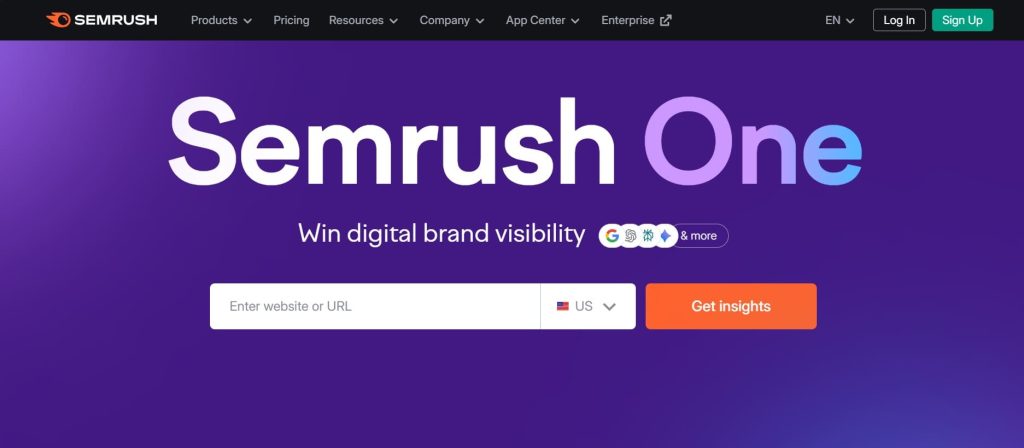
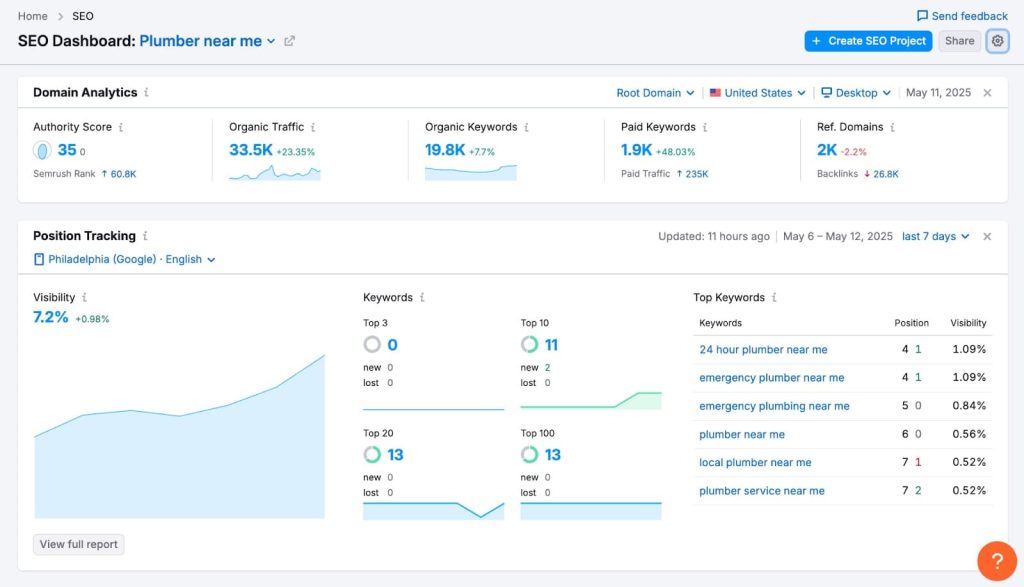
Semrush is most useful when keyword discovery needs to connect with a larger competitive strategy. Its Keyword Magic Tool is a starting point for expanding a seed phrase, while competitor-domain reports help identify commercial topics a website has not covered.
Useful workflows
- Build keyword groups from a core service, product, or industry term.
- Compare domains and flag missing topics with commercial value.
- Evaluate SERP layouts and search intent before committing to a page.
- Share research findings with content, paid media, and account teams.
Where it falls short
- A broad interface takes time to learn.
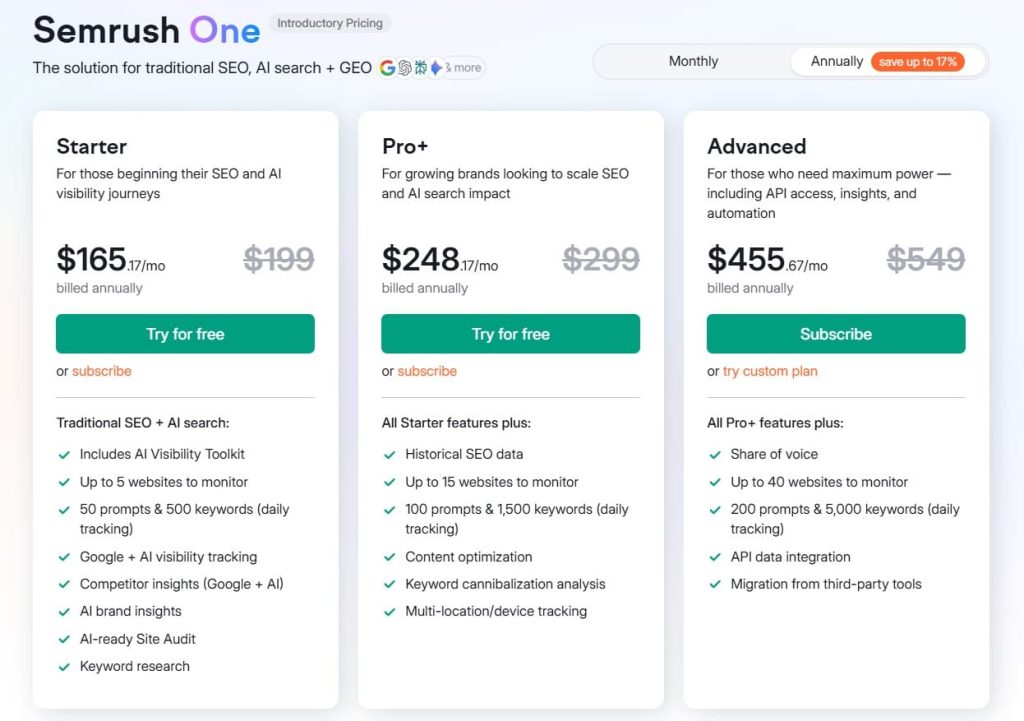
- Subscription and add-on costs can grow with more projects or users.
- Volume and difficulty remain third-party estimates, not promises of traffic.
Agency example: For a contractor serving several cities, start with terms such as “commercial roofing contractor,” then compare city modifiers and nearby competitors. Divide the findings into service pages, location pages, and informational guides rather than creating one page for every variation.
Velautec perspective: Choose Semrush when cross-channel competitor intelligence matters more than the cheapest keyword lookup.
2. Ahrefs — Organic content gaps and SERP-level SEO decisions
Best for: SEO specialists who research competitors, links, and content opportunities together. Explore Ahrefs →
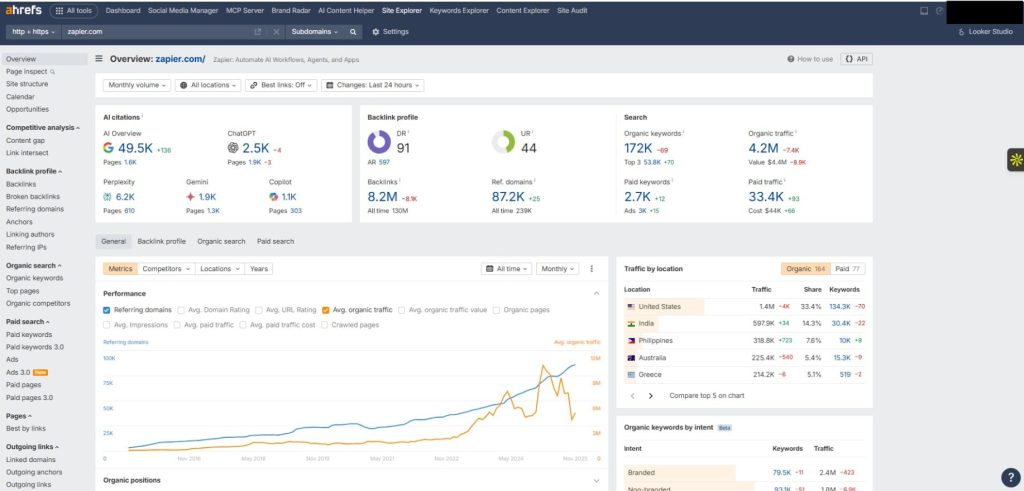
Ahrefs makes keyword research especially valuable when it is paired with the pages and links already winning in search. Keywords Explorer surfaces term ideas and SERP context, while Site Explorer shows where competing websites receive organic visibility.
Useful workflows
- Identify pages that rank for several closely related queries.
- Compare competing URLs and their link profiles.
- Spot topics covered by rival domains but missing on the client site.
- Prioritize queries using intent, ranking pages, and attainable content quality.
Where it falls short
- Research allowances and account tiers need careful review.
- Keyword Difficulty emphasizes link-related signals and is not a complete ranking forecast.
- Some small teams may use only a portion of the available suite.
Agency example: When a manufacturer wants to rank for “industrial insulated panels,” look at the actual pages appearing in the results. If competitors publish technical specifications, installation details, and application pages, a brief generic service page may not be enough.
Velautec perspective: Choose Ahrefs when your keyword choices depend on deep competitive and backlink context.
3. Surfer — Turning a keyword strategy into actionable content briefs
Best for: Editors, content strategists, and agencies publishing at scale. Explore Surfer →
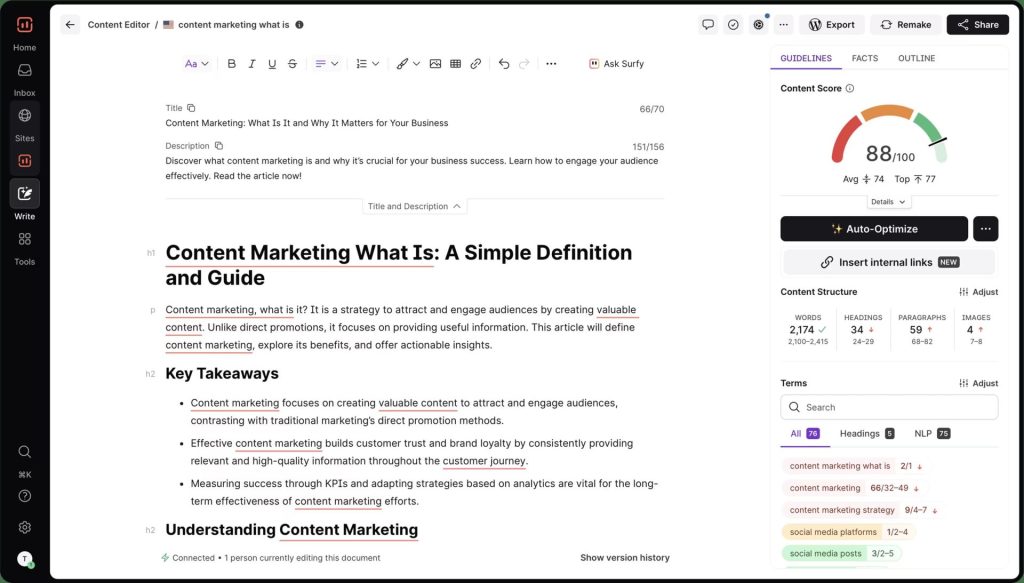
Surfer is primarily a content workflow platform, not a substitute for a full competitive research suite. It helps connect a target topic with suggested sections, related language, and on-page content considerations while a page is drafted or refreshed.
Useful workflows
- Create consistent writer briefs around a target intent.
- Review whether a draft covers the questions readers expect.
- Refresh underperforming pages while preserving genuinely useful information.
- Coordinate optimization feedback between writers and editors.
Where it falls short
- Suggestions can lead to unnatural copy if treated as a checklist.
- Content scoring should not substitute for expertise or factual review.
- Dedicated competitor and backlink research may still require another platform.
Agency example: Imagine an HVAC company with a page about rooftop unit maintenance. Research the buyer’s actual questions first, then use Surfer to review coverage of inspection steps, costs, warning signs, and maintenance frequency without forcing irrelevant phrases into the copy.
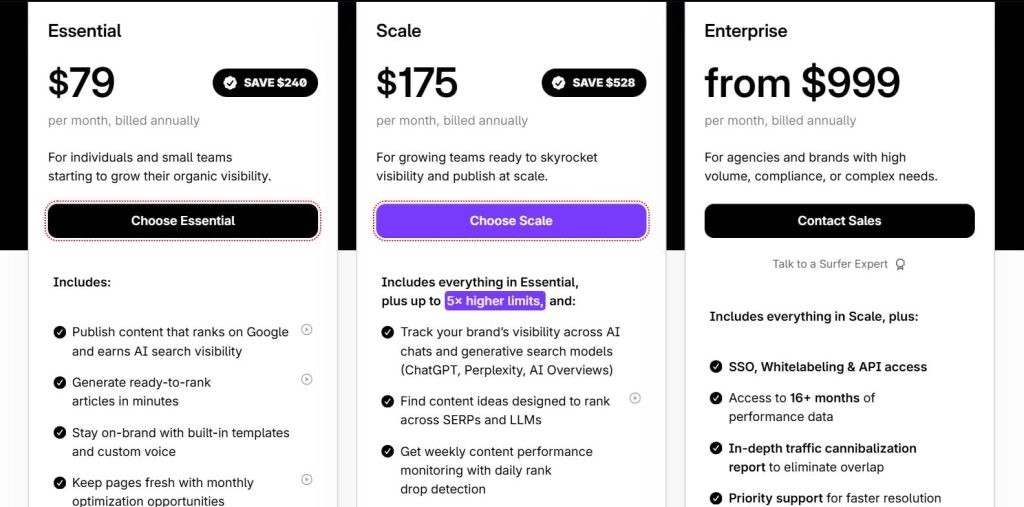
Velautec perspective: Choose Surfer after you have decided what to target and need a repeatable content production process.
4. SE Ranking — Balanced agency research, tracking, and reporting
Best for: Small and midsize agencies balancing client demands with software budgets. Explore SE Ranking →
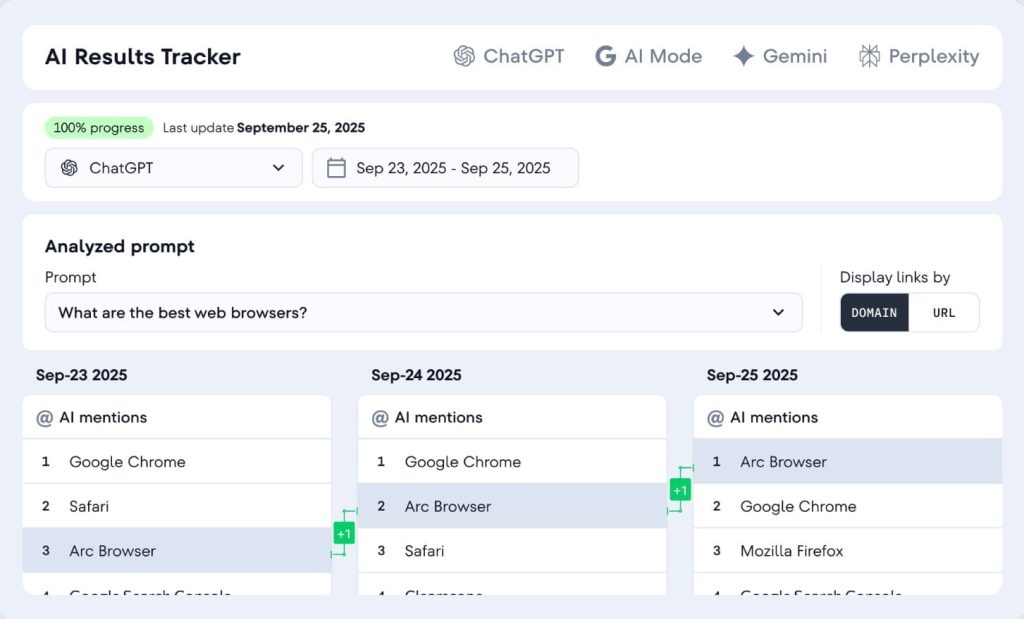
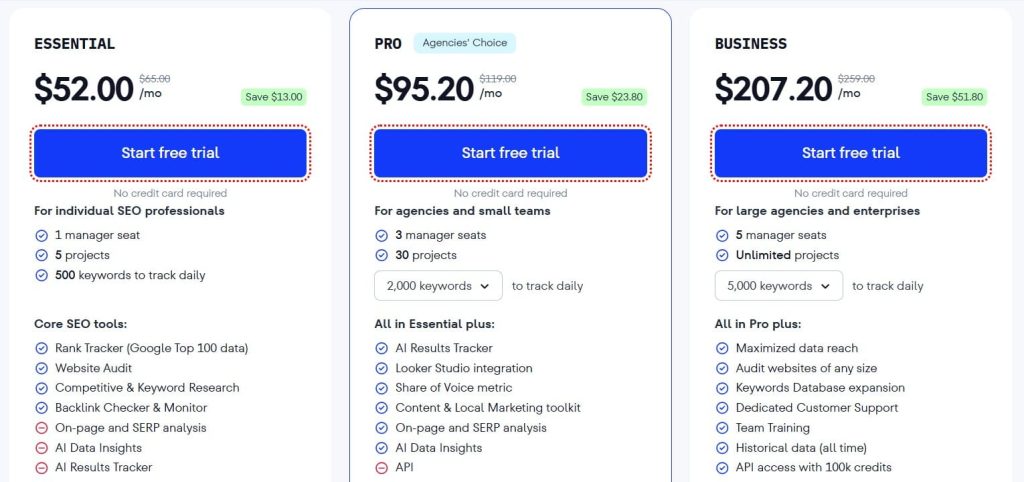
SE Ranking combines keyword analysis with rank tracking, site checks, competitive research, and reporting options. That integrated approach can simplify operations when a small team needs one platform for everyday account management.
Useful workflows
- Collect keyword ideas and compare competitors.
- Track target queries by geography and device when supported by the plan.
- Translate research into client-friendly recurring reports.
- Connect content priorities with technical audits and rank movement.
Where it falls short
- Some advanced agency functions require higher tiers or add-ons.
- Backlink and keyword coverage can vary by market.
- Feature availability and usage limits should be checked before scaling.
Agency example: For a cleaning service expanding into three markets, group searches by service type and city. Track a small set of high-value phrases first, then build additional pages only when demand and location coverage justify them.
Velautec perspective: Choose SE Ranking if your agency wants a practical all-around workflow and predictable operating costs.
5. Mangools — Accessible long-tail keyword discovery
Best for: Freelancers, startup marketers, and smaller client accounts. Explore Mangools →
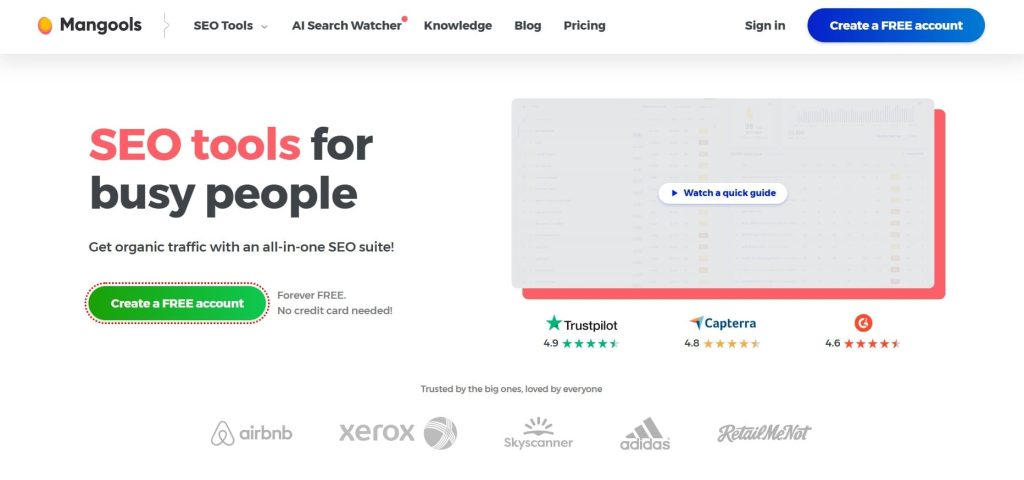
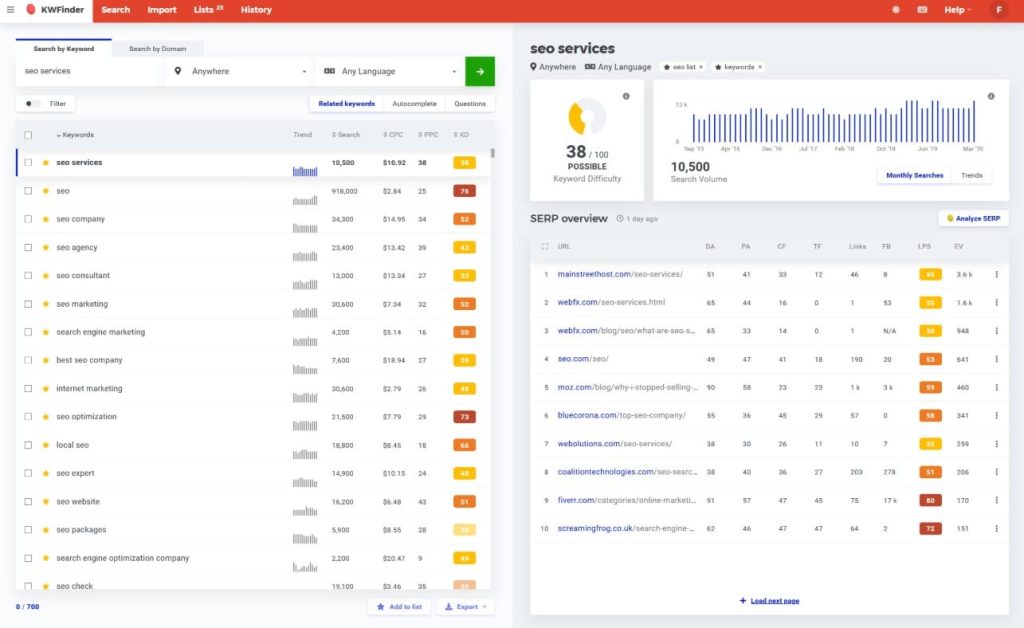
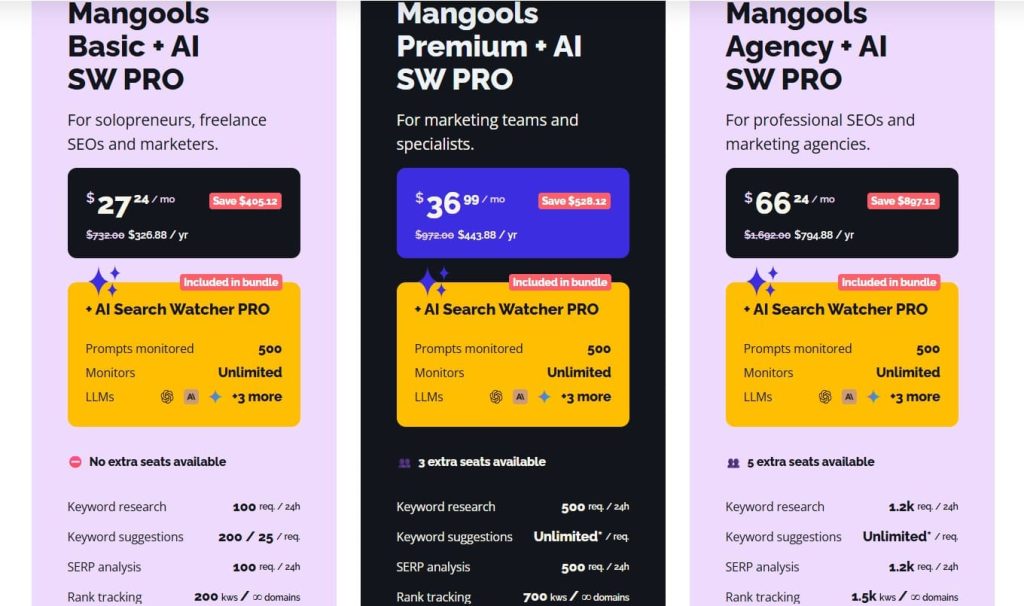
Mangools centers the research experience around approachable tools such as KWFinder and SERPChecker. Its relatively focused interface is useful for moving from an initial idea to a realistic short list without navigating a large enterprise dashboard.
Useful workflows
- Discover location-specific and long-tail variations.
- Scan SERP results for recognizable competitors.
- Check trends before targeting seasonal topics.
- Create a first keyword map for a small business.
Where it falls short
- Usage limits can become restrictive with many client accounts.
- Very complex research projects may require deeper competitive data.
- Difficulty is a comparative estimate and needs a manual SERP check.
Agency example: For a new countertop showroom, “countertops” is broad and ambiguous. A Mangools session can begin with narrower phrases such as “quartz countertop installation near me,” material comparisons, and local showroom searches.
Velautec perspective: Choose Mangools when usability and focused research matter more than an extensive enterprise feature list.
6. SpyFu — Historical competitor keywords and SEO/PPC overlap
Best for: Agencies preparing competitive pitches or combining SEO and paid search. Explore SpyFu →
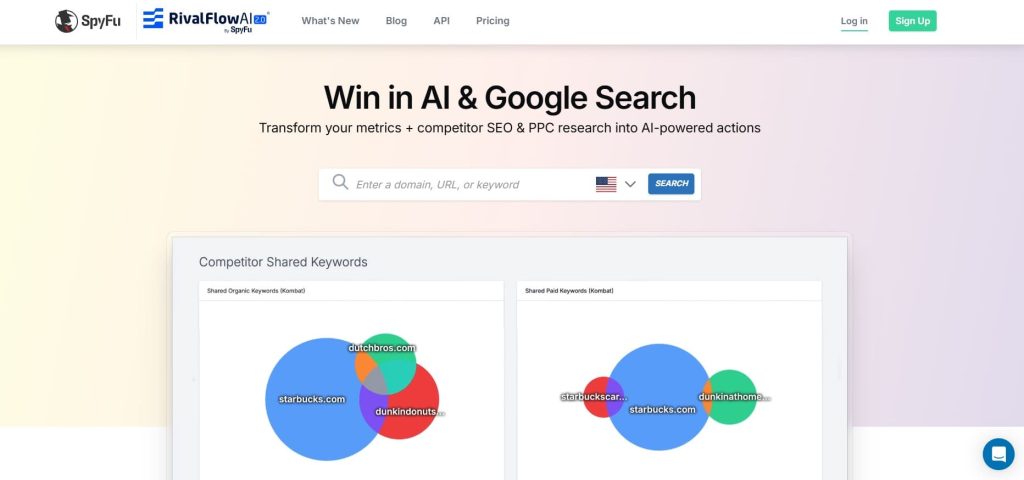
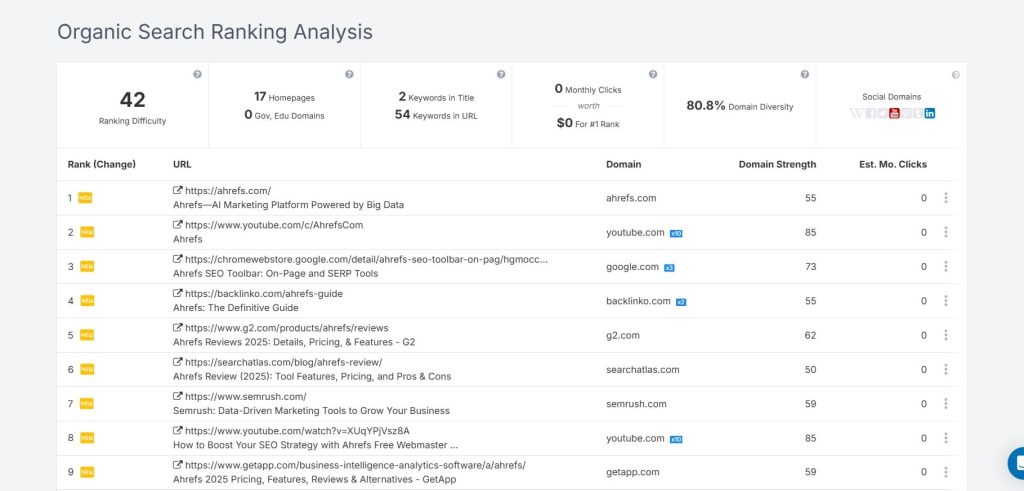
SpyFu is built around discovering how competing domains attract search visibility over time. Seeing organic and advertising themes together can expose commercial keywords worth exploring even when a client has little existing organic data.
Useful workflows
- Find recurring competitor terms and commercial themes.
- Compare organic keyword targets with paid-search concepts.
- Identify search terms suitable for a landing-page test.
- Use historical patterns to investigate possible strategy shifts.
Where it falls short
- Market and language coverage must be assessed for each campaign.
- Competitor ad spend and traffic figures are modeled estimates.
- Historic keyword data should be verified against today’s SERPs.
Agency example: A B2B security integrator can study competitors promoting surveillance, access control, and fire-safety services. Instead of copying their keywords, compare those themes against the client’s profitable services and sales territory.
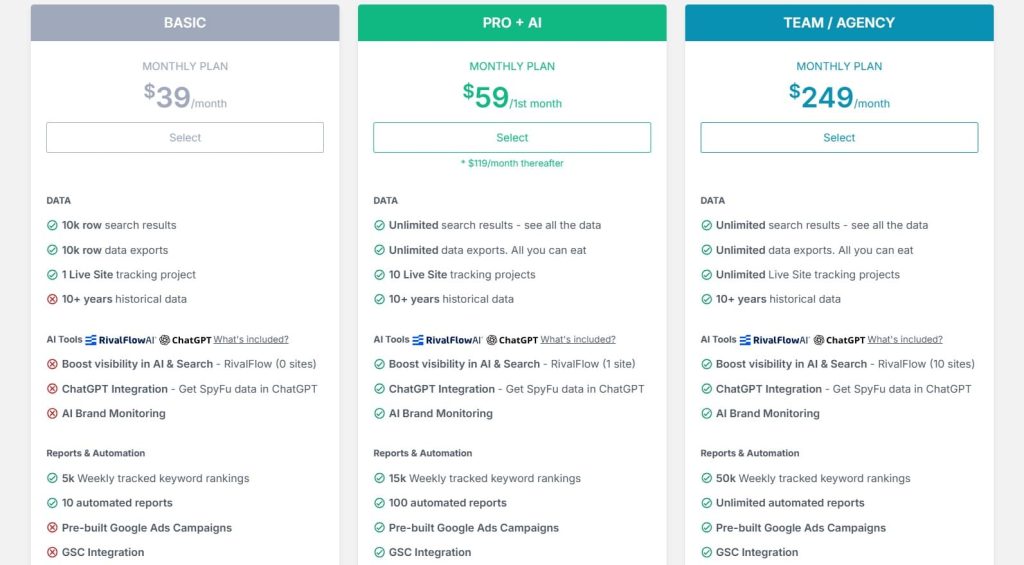
Velautec perspective: Choose SpyFu when competitive history and the connection between SEO and PPC guide the brief.
7. Moz Keyword Explorer — Simple keyword prioritization and opportunity scoring
Best for: Marketers who prefer decision-support metrics over exhaustive dashboards. Explore Moz Keyword Explorer →
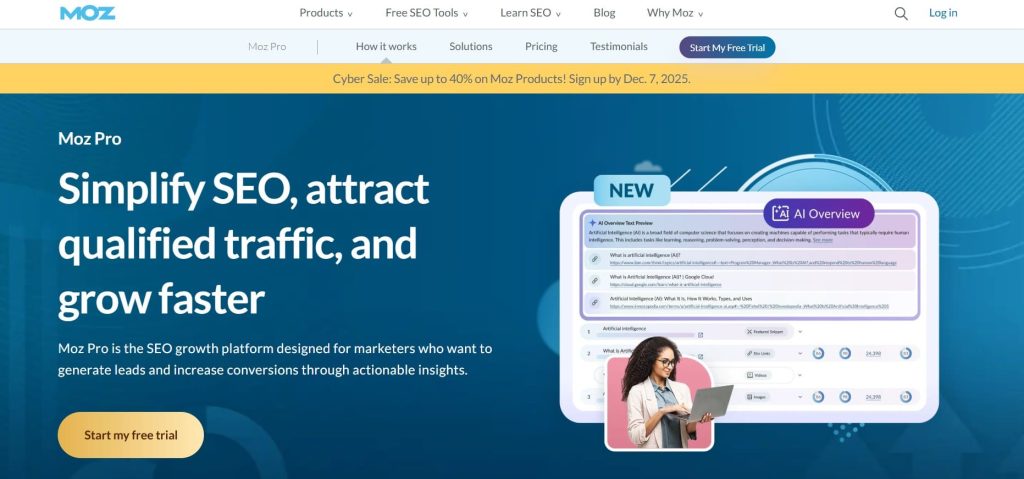
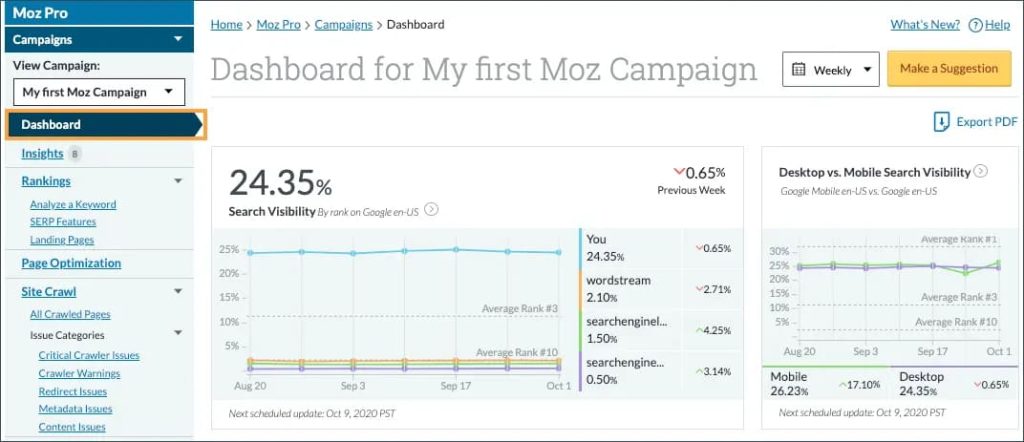
Moz Keyword Explorer brings volume, difficulty, click estimates, and prioritization into a straightforward workflow. Its opportunity-oriented view is valuable when stakeholders need an explanation of why one keyword deserves attention before another.
Useful workflows
- Turn a broad list into a prioritized editorial backlog.
- Review click potential in SERPs crowded by other features.
- Compare opportunities at a glance for nontechnical stakeholders.
- Cross-check broad research decisions with a second data source.
Where it falls short
- No single priority metric replaces business context.
- Some agency teams will need complementary tools for reporting or technical work.
- Data coverage may differ across regions and niches.
Agency example: A corporate wellness consultancy might compare “employee wellness program,” “workplace mental health training,” and general definitions. A useful priority score should still be weighed against which query can produce a qualified consultation.
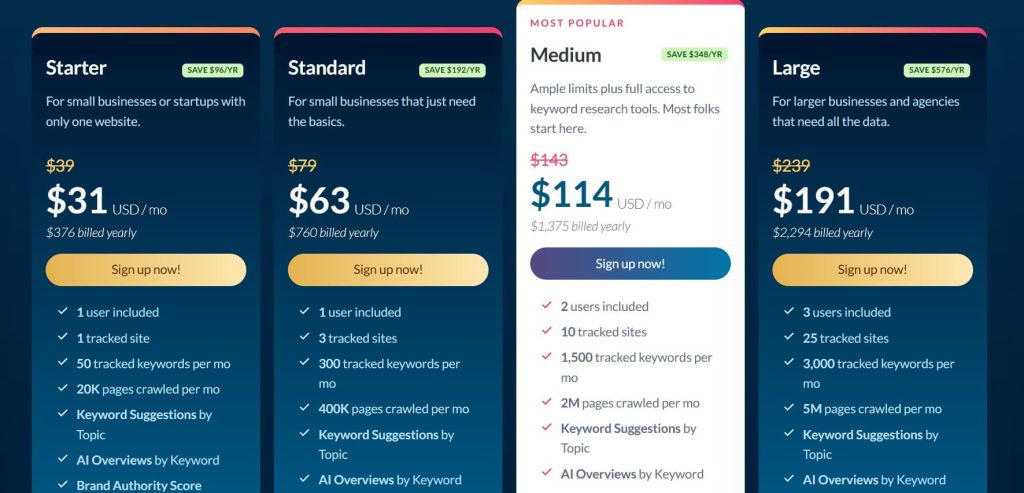
Velautec perspective: Choose Moz when clear evaluation and communication outweigh extreme keyword-list volume.
8. Google Keyword Planner — Free search-demand ideas and paid-search context
Best for: New businesses and marketers validating early topic demand. Explore Google Keyword Planner →
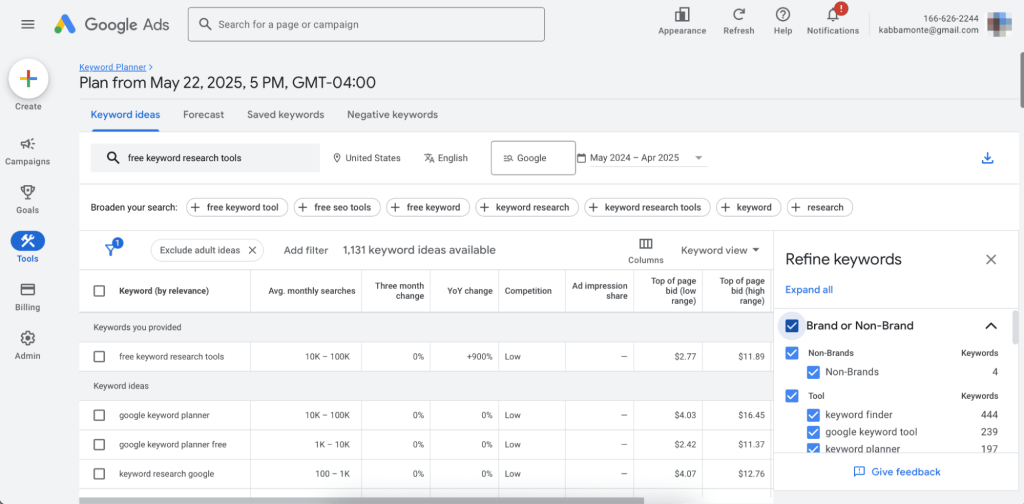
Google Keyword Planner was designed for advertising, but it can help SEO teams discover related search phrases, compare demand patterns, and understand advertiser interest. Its numbers are not the same as verified organic search traffic.
Useful workflows
- Expand product and service seed terms with related ideas.
- Examine country and language settings for research relevance.
- Use suggested bid values as one signal of commercial intent.
- Cross-check topic demand alongside Google Search Console data.
Where it falls short
- Some accounts see broad search-volume ranges.
- The competition metric refers to ads, not organic ranking difficulty.
- SEO content gaps and backlink analysis require other tools.
Agency example: A Peru-based industrial construction company can research Spanish-language phrases for warehouses, industrial plants, and design-build construction, making sure the selected geography matches the actual sales area.
Velautec perspective: Choose Keyword Planner as an accessible starting point, especially when validating a market before paying for research software.
9. Ubersuggest — Quick ideas and readable SEO metrics
Best for: Business owners and solo marketers beginning structured keyword research. Explore Ubersuggest →
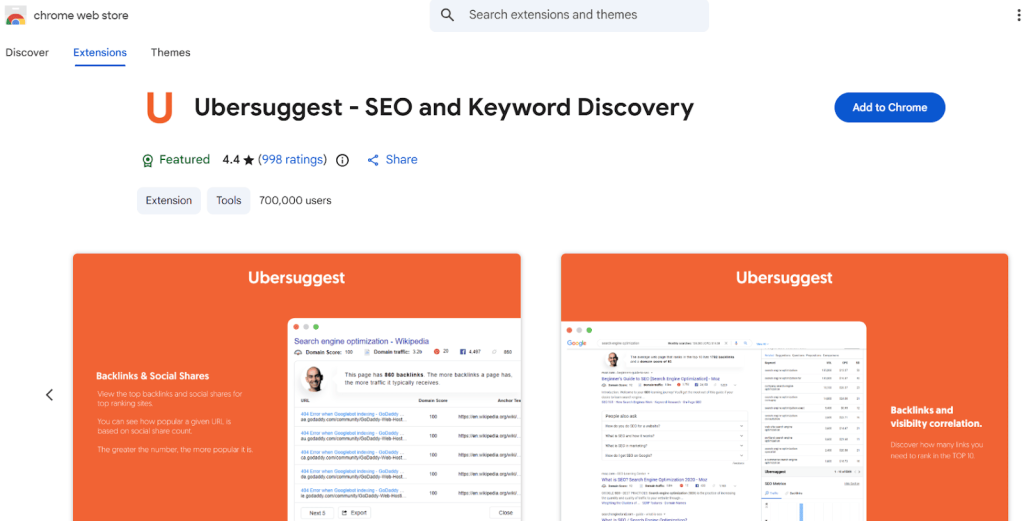
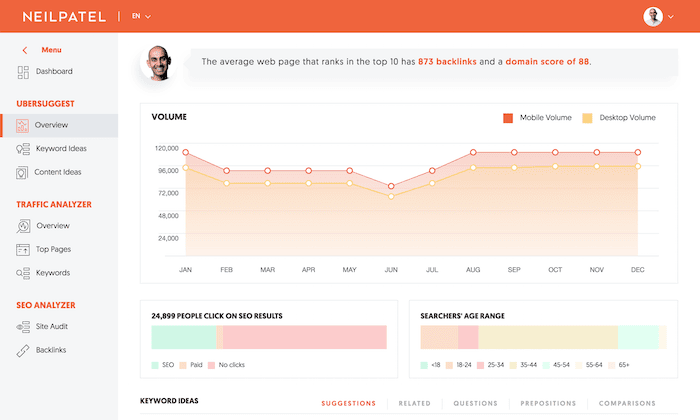
Ubersuggest presents keyword ideas, SEO metrics, and competitive insights in an approachable format. It can be enough to organize the first round of content planning when the team does not require advanced reporting or very deep enterprise research.
Useful workflows
- Find related queries and content ideas from a simple seed.
- Review rough volume and competition estimates.
- Survey organic pages already attracting visitors.
- Turn the initial ideas into a manageable content list.
Where it falls short
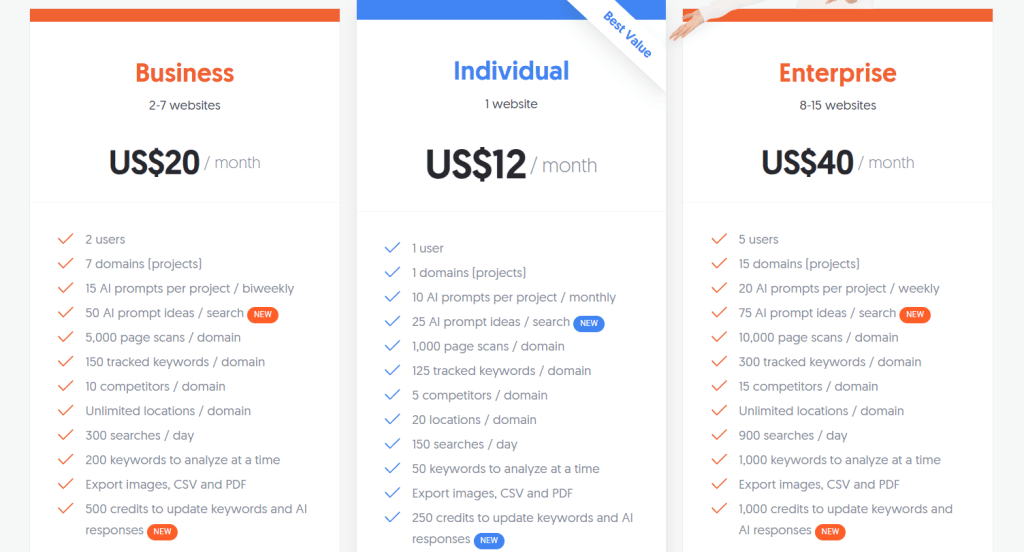
- Large research projects may hit quota or feature constraints.
- Link and competitive data may not meet specialist requirements.
- Easy-to-read scores should not be mistaken for certainty.
Agency example: A new recruiting agency could begin with employer-intent searches such as “recruitment agency for manufacturing companies” and “hire warehouse staff.” Each candidate keyword needs an intent check: job seekers and hiring managers may use similar language for very different goals.
Velautec perspective: Choose Ubersuggest when ease of use is the deciding factor for a smaller website.
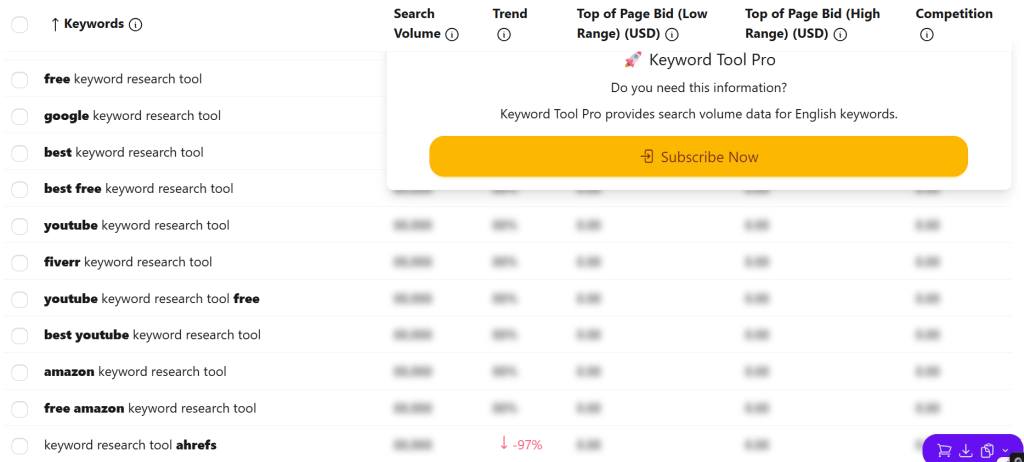
10. Keyword Tool — Autocomplete research across multiple search platforms
Best for: Teams publishing for YouTube, e-commerce, or several discovery channels. Explore Keyword Tool →
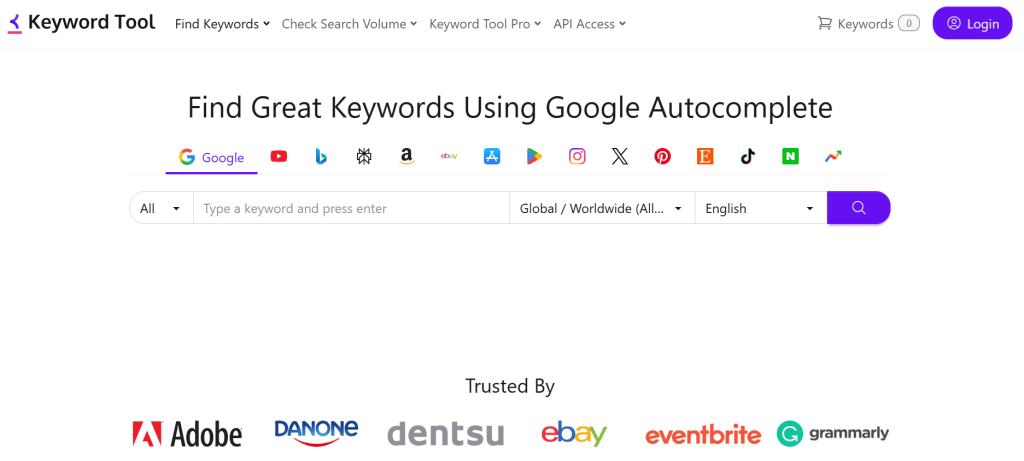
Keyword Tool gathers autocomplete-driven suggestions, which are useful for seeing the language people begin typing on platforms beyond standard Google web search. This makes it a complement to SEO suites, particularly for video and product discovery.
Useful workflows
- Explore long-tail question wording from a seed query.
- Compare wording across Google, YouTube, or marketplace searches.
- Build video and product content ideas.
- Find variations that ordinary head-term research may miss.
Where it falls short
- Autocomplete suggestions do not prove a specific search volume.
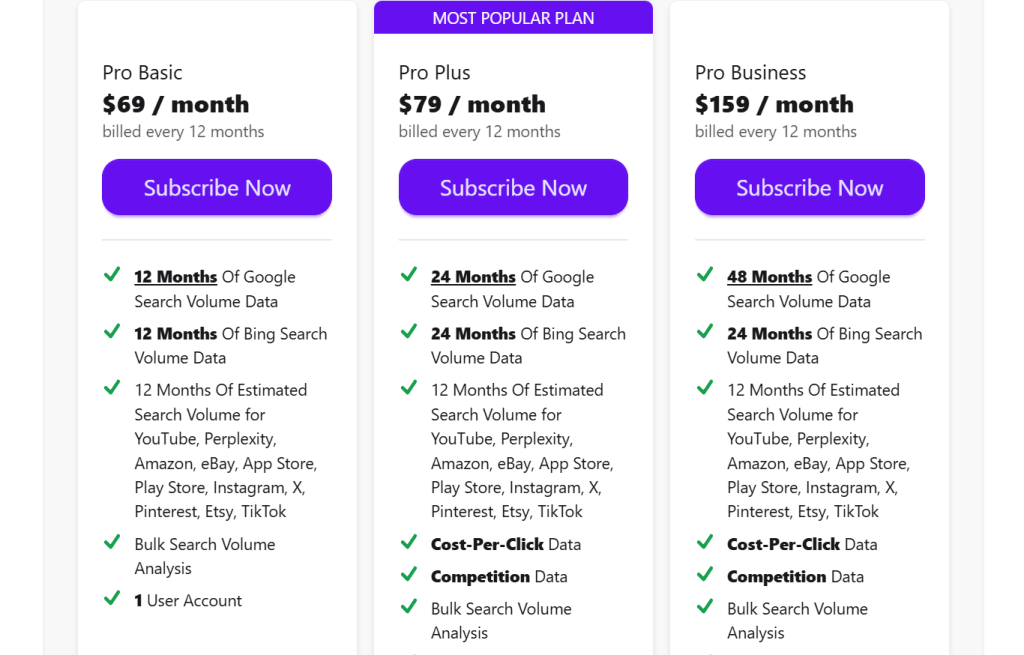
- Paid tiers may be required for richer metrics.
- It does not replace link research, rank tracking, or technical audits.
Agency example: A manufacturer with a YouTube channel can research searches around product installation, maintenance, and troubleshooting. Those ideas can become video titles, transcript sections, and supporting pages on the website.
Velautec perspective: Choose Keyword Tool when your content strategy extends beyond classic Google search results.
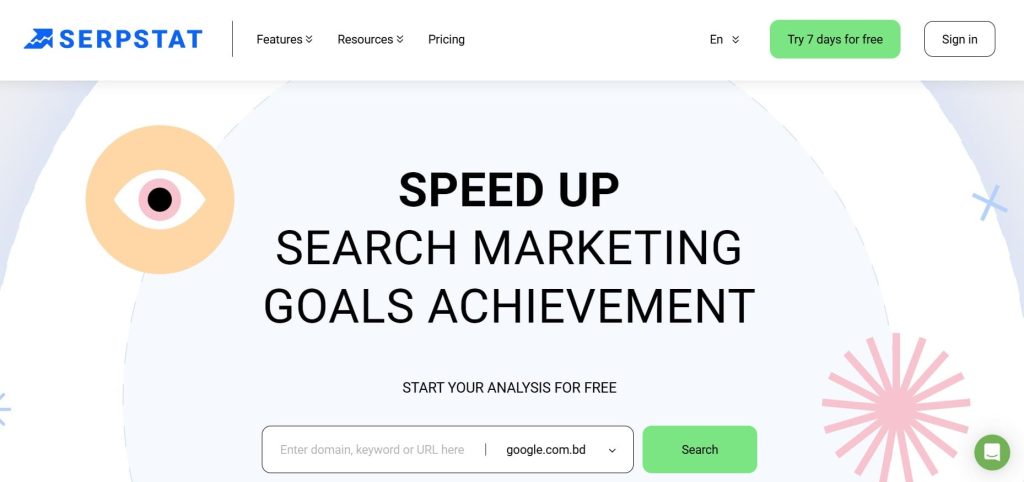
11. Serpstat — Research across multiple regions and languages
Best for: Agencies expanding international SEO operations or testing new markets. Explore Serpstat →
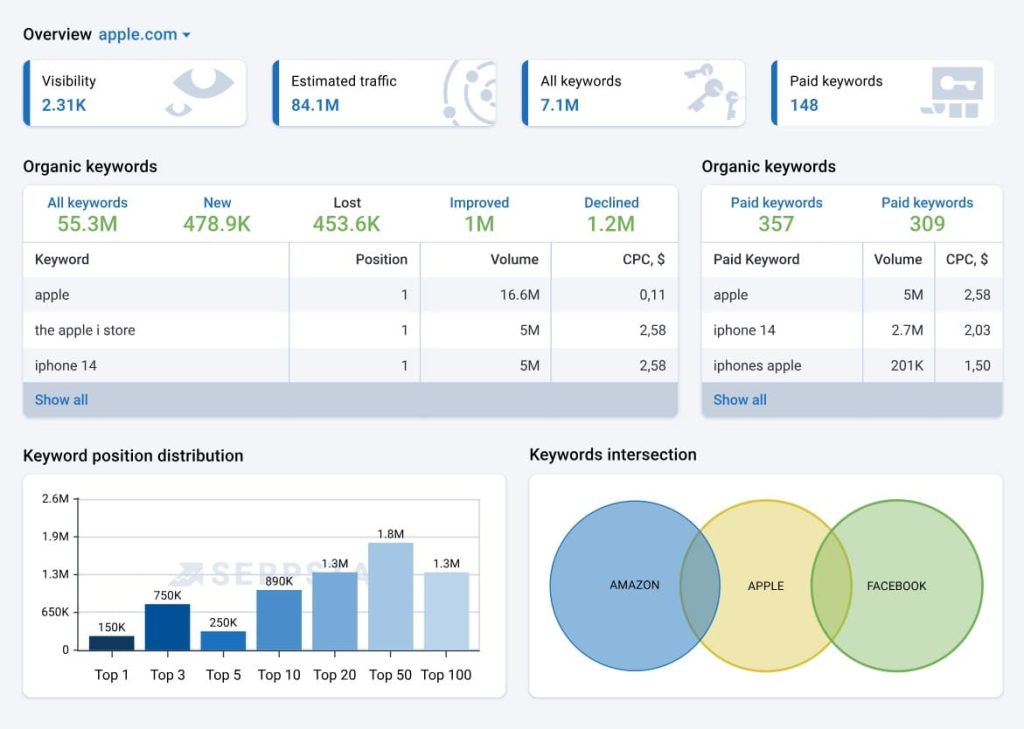
Serpstat covers keyword ideas, domain comparisons, and several supporting SEO functions within one suite. For multilingual projects, the essential advantage is the ability to run repeatable market-by-market research rather than assume one country’s SERPs represent everyone.
Useful workflows
- Compare keyword sets across different countries.
- Spot local competitor domains and content gaps.
- Group terms by language and purchase intent.
- Support international editorial calendars and reporting.
Where it falls short
- Database depth varies by geography and keyword niche.
- Interface and export workflows need evaluation against team needs.
- International research still requires local-language review.
Agency example: A business serving Peru, Mexico, and the United States should not merely translate its Spanish service pages into English. Compare actual queries, SERP competitors, and customer terminology market by market.
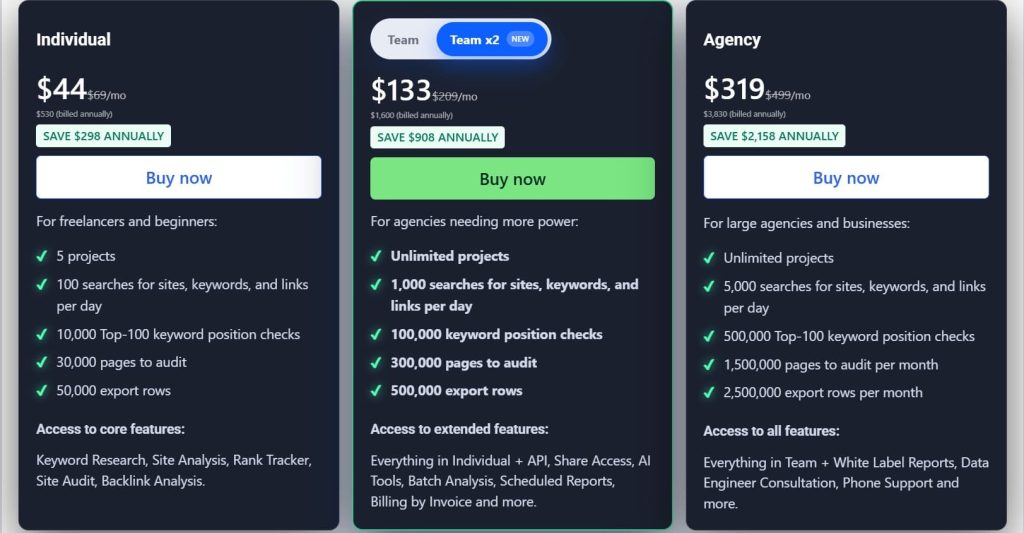
Velautec perspective: Choose Serpstat when international coverage and multi-market organization are key selection criteria.
12. Keywords Everywhere — On-the-fly keyword checks while browsing
Best for: SEOs who want lightweight context during search and content review. Explore Keywords Everywhere →
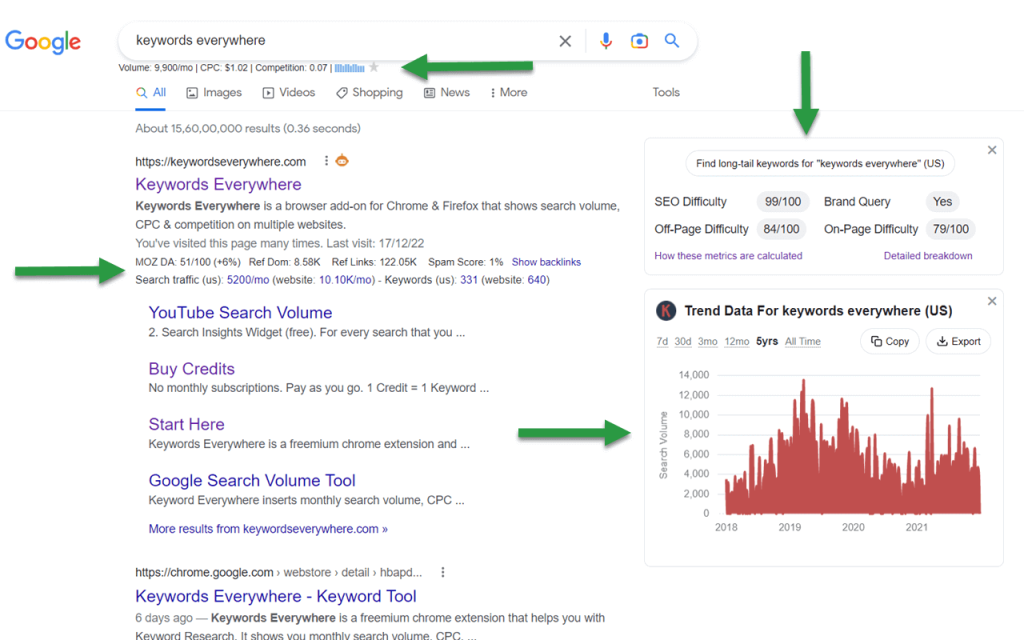
Keywords Everywhere is a browser extension that surfaces keyword-oriented information alongside everyday research. It helps validate a first idea or collect related phrases without continually switching between tabs and research platforms.
Useful workflows
- Review related wording while browsing search results.
- Capture potential questions during competitor research.
- Check broad demand signals before deeper analysis.
- Add quick ideas to an agency’s central keyword list.
Where it falls short
- Credits or usage allowances can affect repeated checks.
- In-browser figures are estimates and need cross-validation.
- It is not a full competitor-analysis or technical audit system.
Agency example: During a prospect audit for a kitchen-remodeling company, the extension can surface related ideas as you inspect the SERP. Record those ideas, but choose the final target only after checking location intent and the pages ranking in that market.

Velautec perspective: Choose Keywords Everywhere for speed and convenience alongside a deeper SEO research stack.
A practical keyword research process for service businesses
Great keyword research does not end with exporting a list. For local and B2B clients, the end product should be a small, clear set of pages and decisions that connect searches to the sales process. Here is a workflow you can follow regardless of software.
Step 1: Define what a qualified lead looks like
List the services, average contract values, locations, ideal customer profiles, and questions that sales teams actually hear. Separate buyer searches from student, supplier, and job-seeker searches.
Step 2: Start with a tight set of seed topics
Use a few core commercial terms before generating hundreds of variations. For an industrial construction company, seeds might include industrial warehouse construction, manufacturing plant construction, and design-build industrial facilities.
Step 3: Expand and classify
Use the tool to collect service modifiers, geo-modifiers, comparison searches, and questions. Tag each phrase as transactional, commercial investigation, informational, or navigational where appropriate.
Step 4: Inspect the ranking pages
Look at the first page of results in the target market. Identify whether Google favors service pages, marketplaces, directories, videos, informational guides, or local business listings.
Step 5: Map keywords to pages
Group phrases sharing one intent on a single strong page. Build separate pages only when location, offering, or intent genuinely differs.
Step 6: Implement and measure
Publish or improve pages, set up conversions, and monitor Google Search Console queries, qualified inquiries, and rankings together. Update your priorities when real data contradicts initial volume estimates.
How to combine free and paid keyword tools
Most agencies do not need to purchase every platform on this list. A focused combination is usually easier to maintain and can provide better answers than a collection of underused subscriptions.
Starter stack for a new business
Google Keyword Planner + Google Search Console + one lightweight research tool. Use Planner to discover terminology, Search Console to learn which queries are already showing your website, and Mangools, Ubersuggest, or Keywords Everywhere for a second perspective on search opportunities.
Growth stack for an SEO agency
Semrush or Ahrefs + Google Search Console + a reporting workflow. Start with one comprehensive competitor-research tool rather than buying two automatically. Add SE Ranking if its client management and tracking functions fill a genuine operational gap.
Content production stack
One primary keyword database + Surfer + a human editorial review. The database identifies search intent and competition; content tooling organizes briefs and revisions; an expert checks claims, business fit, and originality.
International and bilingual SEO stack
One primary platform + Serpstat or another market-coverage check + local language review. Validate that data exists for each region and investigate separate search behavior rather than assuming translations are equivalent keywords.
Common keyword research mistakes to avoid
- Chasing volume instead of leads. A low-volume B2B query may be worth more than a broad informational term.
- Confusing Google Ads competition with organic difficulty. They measure different things.
- Trusting a keyword difficulty score without opening the SERP. Ranking pages and local intent can change the assessment.
- Publishing a page for every tiny variation. Near-duplicate pages can compete with each other and weaken the site.
- Using national data to plan a local strategy. An irrelevant country setting can distort the plan.
- Assuming an AI-generated brief is ready to publish. Verify facts, add original insight, and connect topics to customer needs.
- Reporting only position changes. Combine rankings with actual inquiries, conversion events, and business outcomes.
Frequently asked questions
What is the best free keyword research tool?
Google Keyword Planner is a useful free starting point for search ideas and advertising demand signals. Google Search Console is also essential once a website has performance data, because it shows actual impressions and clicks for your own site.
Which keyword research tool is best for SEO agencies?
Agencies commonly benefit from a broader research suite such as Semrush or Ahrefs. The right choice depends on client mix, reporting requirements, research depth, geography, and total user costs.
Is Ahrefs or Semrush better for finding keywords?
Neither wins every project. Ahrefs is a compelling choice when link context and organic competitor pages shape decisions; Semrush is attractive for broad marketing and competitive research. Compare them on real keywords from your own markets.
Do keyword research tools show exact Google search volumes?
No single third-party number should be treated as exact. Providers use different datasets and methods, while Keyword Planner can present ranges. Use several signals and validate against Search Console once pages receive impressions.
Can keyword research software help with local SEO?
Yes, provided the research is localized. Combine service and city terms with local SERP inspection, Google Business Profile strategy, and the pages that searchers expect to find.
Do AI search results make keyword research obsolete?
No. AI-driven discovery changes how some questions are answered, but businesses still need to understand customer language, entities, intent, and useful content coverage. Traditional queries remain one important input alongside AI visibility research.
How many keywords should a service page target?
Focus on one primary intent and support it with closely related phrases and questions. A single authoritative service page can naturally rank for many keyword variations; a rigid fixed count is rarely useful.
How often should agencies refresh a keyword strategy?
Review priority themes when services, markets, competitors, or SERP behavior change. Monthly performance checks and deeper quarterly strategic reviews are sensible starting cadences for many ongoing campaigns.
Final recommendation: choose the tools that lead to action
The best keyword research tool is the one your team can use to make an informed decision: which page to build, which existing page to improve, which market to prioritize, and which opportunity is most likely to produce qualified demand. For some teams, that is a powerful all-in-one suite. For others, a free Google tool and a well-structured research process are enough to begin.
Velautec Media focuses on translating organic search and AI visibility opportunities into practical growth programs for construction, industrial, B2B, and service companies. If you want a keyword strategy tied to leads rather than vanity metrics, explore Velautec Media’s SEO services and the markets we support.

One Response