
Separate research from a showroom visit
Someone comparing quartz and granite needs different information from a customer looking for a nearby showroom. Material pages can answer comparison questions, while showroom pages explain location, opening information and what a visit involves. Connect these journeys instead of sending every visitor to a generic homepage.
Explain what the business actually offers
Clarify whether you sell materials, fabricate stone, design kitchens, supply cabinetry or install finished products. Distinct services deserve distinct information when buyers need different answers. Specifications and availability should be confirmed by your team; useful content does not need exaggerated durability claims.
Organize products and applications
Categories can help visitors compare materials, finishes and applications. Avoid generating an indexable page for every filter combination without useful independent content. Link relevant categories to services and projects so customers can understand both the product and how it will be used.
Make local information consistent
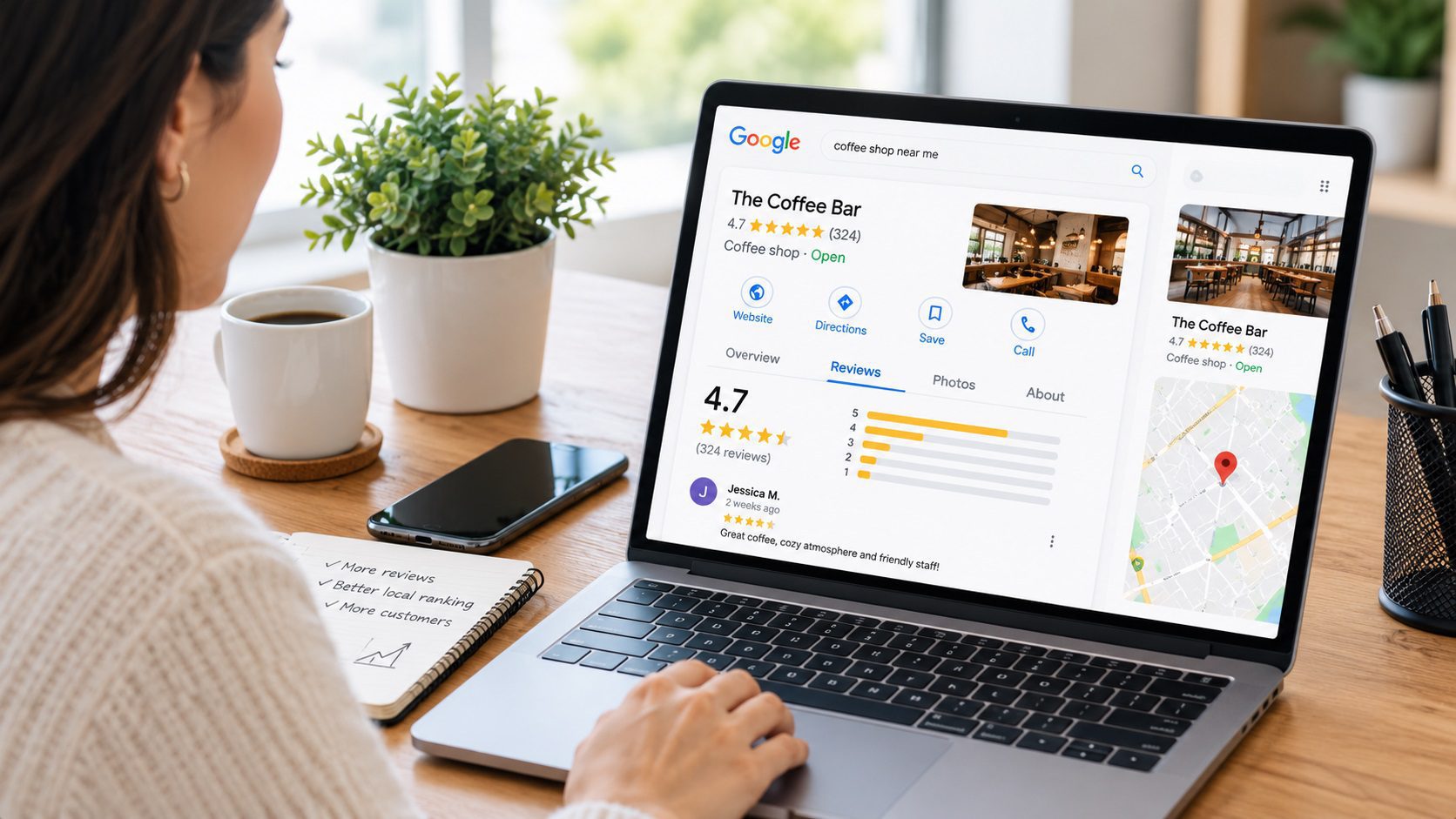
Use accurate address, contact details and eligible business profile information. Service areas for installation may differ from the area attracting showroom visitors. Explain both without inventing additional offices. A clear visit or consultation process can tell customers whether they should bring measurements or project details.
Measure steps toward an inquiry
Depending on tracking, useful actions may include consultation requests, calls and quotation inquiries. Your team can explain whether these contacts match the products and services you offer. Evaluate commercial relevance alongside search visibility rather than treating every catalog visit as a qualified lead.
For businesses and marketing teams
If you are evaluating improvements for your business, explore the service scope related to this guide.