Updated for 2027. A business website should support credibility, search visibility, accessibility and conversions—not simply look modern. UK companies have very different needs, from Shopify ecommerce and B2B lead generation to complex digital services.
This guide introduces 15 UK web development companies with different approaches to strategy, design and technology. It is a practical shortlist, not a verified ranking of quality or performance. Use the profiles to narrow your options and ask better questions before requesting proposals.
At a glance: 15 UK web development companies
| # | Agency | Notable focus |
|---|---|---|
| 1 | Growthlabs | B2B websites connected to demand generation |
| 2 | Cyber-Duck | Accessible digital experiences for complex organisations |
| 3 | KOTA | Visually distinctive brand websites |
| 4 | MadeByShape | Polished digital design with practical SEO considerations |
| 5 | Fhoke | WordPress, Shopify and more customised builds |
| 6 | We Make Websites | Shopify ecommerce at greater complexity |
| 7 | NerdCow | Websites designed for SaaS and B2B marketing teams |
| 8 | CTI Digital | Integrated platforms and ongoing digital evolution |
| 9 | Propeller | Creative websites informed by performance marketing |
| 10 | SoBold | WordPress expertise with long-term support |
| 11 | Clock | Custom websites and digital products |
| 12 | Fat Beehive | Accessible websites for content-heavy organisations |
| 13 | Enjoy Digital | Website delivery backed by digital strategy |
| 14 | Toward Studio (formerly Bluegg) | Brand-led websites with an editorial feel |
| 15 | Reason Digital | Research-led digital products with social purpose |
How to use this shortlist
The entries are presented in the same sequence as the supplied reference list. Being listed earlier does not mean an agency has been independently tested or rated higher. Consider sector experience, ownership of the platform, technical search requirements and support capacity before judging fit.
The 15 companies
1. Growthlabs
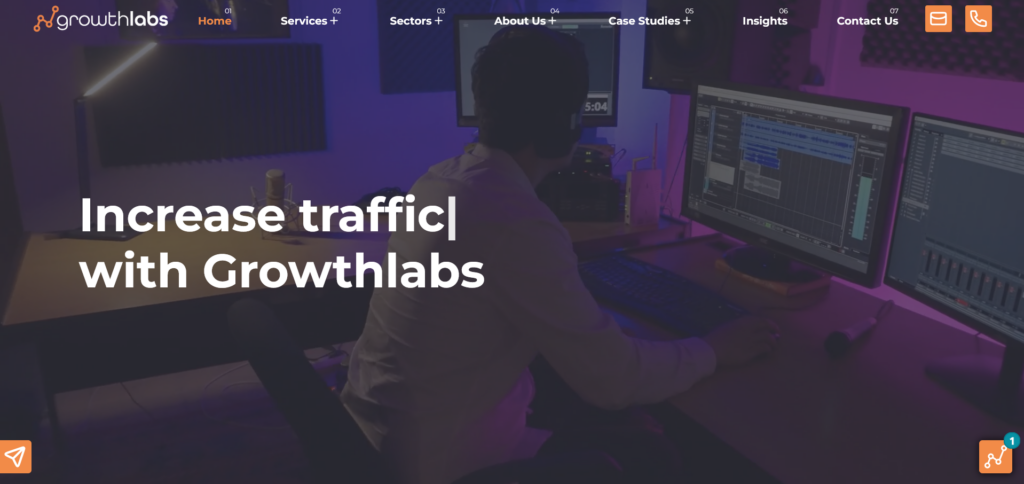
Growthlabs approaches a website as part of a larger acquisition system rather than an isolated design project. That positioning can appeal to B2B teams planning to align pages, search visibility and paid campaigns with qualified enquiries.
Speciality: B2B websites connected to demand generation.
Reference profile: Founded 2016; Bristol, United Kingdom. Details are drawn from the supplied page and should be confirmed directly.
Who it may suit: B2B firms that want their website and marketing programmes planned together.
Question to ask: Discuss how the team will connect commercial landing pages to CRM attribution, search intent and actual sales opportunities.
2. Cyber-Duck

Cyber-Duck is associated with structured UX work, digital transformation and accessibility-conscious delivery. That makes it especially relevant when a new platform must accommodate multiple departments, approval processes or diverse user needs.
Speciality: Accessible digital experiences for complex organisations.
Reference profile: Founded 2005; London, United Kingdom. Details are drawn from the supplied page and should be confirmed directly.
Who it may suit: Larger organisations with demanding accessibility and stakeholder requirements.
Question to ask: Ask for examples of accessibility acceptance criteria, governance, content migration and post-launch responsibilities.
3. KOTA

KOTA brings a creative-first perspective to website projects. For businesses competing on presentation and credibility, its design-led approach may offer a useful alternative to standard corporate templates.
Speciality: Visually distinctive brand websites.
Reference profile: Founded 2013; London, United Kingdom. Details are drawn from the supplied page and should be confirmed directly.
Who it may suit: Brands looking for a standout creative identity and website experience.
Question to ask: Review how visual effects will be balanced with Core Web Vitals, mobile usability and content editing.
4. MadeByShape

MadeByShape combines web design and development with ecommerce and search-oriented services. Its approach is worth considering for businesses that need an attractive website without losing sight of findability or day-to-day content management.
Speciality: Polished digital design with practical SEO considerations.
Reference profile: Founded 2010; Atherton (Manchester), United Kingdom. Details are drawn from the supplied page and should be confirmed directly.
Who it may suit: SMEs seeking a well-designed, manageable website.
Question to ask: Clarify CMS ownership, technical SEO requirements and the process for expanding service and category pages after launch.
5. Fhoke

Fhoke works across established content and commerce platforms while also offering bespoke development. This blend is relevant when a site needs an expressive brand presentation alongside API integrations or workflows that off-the-shelf plugins cannot easily support.
Speciality: WordPress, Shopify and more customised builds.
Reference profile: Founded 2008; London, United Kingdom. Details are drawn from the supplied page and should be confirmed directly.
Who it may suit: Companies with premium design goals and nontrivial technical requirements.
Question to ask: Define what will be built natively, which integrations require custom code and how future upgrades will be handled.
6. We Make Websites

We Make Websites concentrates on Shopify ecosystems, including larger commerce operations. A specialist of this type can be useful for brands considering replatforming, new storefront architectures or sophisticated integrations.
Speciality: Shopify ecommerce at greater complexity.
Reference profile: Founded 2009; London, United Kingdom. Details are drawn from the supplied page and should be confirmed directly.
Who it may suit: Growing ecommerce brands built around Shopify or Shopify Plus.
Question to ask: Request a migration plan covering URLs, SEO equity, analytics, checkout changes and business continuity.
7. NerdCow

NerdCow focuses on the priorities that tend to matter most to SaaS businesses: sharp messaging, flexible content operations and visitors who progress toward demos or sales conversations.
Speciality: Websites designed for SaaS and B2B marketing teams.
Reference profile: Founded 2015; London, United Kingdom. Details are drawn from the supplied page and should be confirmed directly.
Who it may suit: SaaS companies and B2B tech organisations.
Question to ask: Ask how the site will support solution pages, content hubs, testing and marketing-team publishing autonomy.
8. CTI Digital

CTI Digital addresses website development within broader digital transformation programmes. That can be helpful for organisations dealing with legacy systems, multiple data sources or a longer roadmap beyond the initial launch.
Speciality: Integrated platforms and ongoing digital evolution.
Reference profile: Founded 2003; Manchester, United Kingdom. Details are drawn from the supplied page and should be confirmed directly.
Who it may suit: Mid-market and larger organisations managing complex digital ecosystems.
Question to ask: Map platform dependencies, migration risk, integration ownership and support arrangements before approving a statement of work.
9. Propeller

Propeller brings website creation together with growth disciplines such as SEO, conversion optimisation and digital strategy. This can be attractive to companies that expect their new site to contribute to ongoing commercial performance.
Speciality: Creative websites informed by performance marketing.
Reference profile: Founded 2001; London, United Kingdom. Details are drawn from the supplied page and should be confirmed directly.
Who it may suit: Growth-focused businesses seeking both a redesign and optimisation support.
Question to ask: Make sure launch deliverables include conversion tracking, landing-page testing and an agreed backlog of improvements.
10. SoBold

SoBold specialises in WordPress delivery and management. Businesses that regularly publish, operate multilingual sites or need a dependable maintenance partner may find this focused approach easier to manage than a generalist build-only service.
Speciality: WordPress expertise with long-term support.
Reference profile: Founded 2014; London (London Bridge), United Kingdom. Details are drawn from the supplied page and should be confirmed directly.
Who it may suit: Organisations treating WordPress as a long-term digital platform.
Question to ask: Confirm hosting responsibilities, update policies, security monitoring, editor permissions and response times.
11. Clock
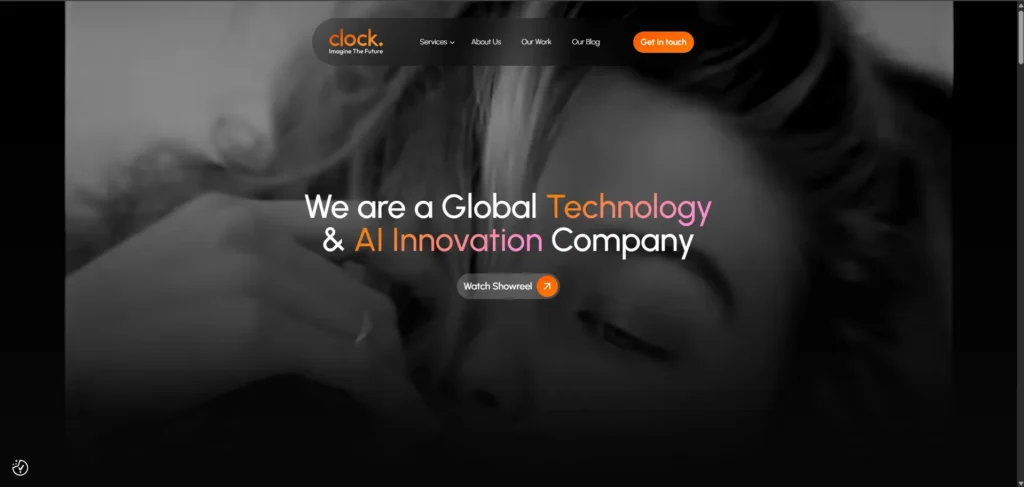
Clock works on web platforms and applications that extend beyond conventional marketing pages. It may suit an organisation that needs a website connected to custom functionality and a coherent product experience.
Speciality: Custom websites and digital products.
Reference profile: Founded 1997; Borehamwood (Hertfordshire), United Kingdom. Details are drawn from the supplied page and should be confirmed directly.
Who it may suit: Businesses needing custom digital products or complex platform development.
Question to ask: Request clarity on technical architecture, ownership of code, accessibility and how new functionality will be prioritised.
12. Fat Beehive

Fat Beehive has a strong association with inclusive design and mission-led organisations. Its experience is particularly relevant where complex information must become understandable and usable for broad audiences.
Speciality: Accessible websites for content-heavy organisations.
Reference profile: Founded 1997; London, United Kingdom. Details are drawn from the supplied page and should be confirmed directly.
Who it may suit: Charities, membership bodies and content-rich organisations.
Question to ask: Examine content modelling, accessibility testing, editorial workflows and staff training.
13. Enjoy Digital

Enjoy Digital takes a broader approach to website and digital experience work. Teams looking to combine a new site with campaign planning and iterative improvements may appreciate that integrated perspective.
Speciality: Website delivery backed by digital strategy.
Reference profile: Founded 2008; Leeds, United Kingdom. Details are drawn from the supplied page and should be confirmed directly.
Who it may suit: Organisations wanting an ongoing digital experience partner.
Question to ask: Agree on which post-launch metrics matter and whether optimisation work is included or separately scoped.
14. Toward Studio (formerly Bluegg)

Toward Studio, formerly Bluegg, is a creative studio with an emphasis on identity and digital presentation. Its style may resonate with firms that want their site to express a distinctive point of view rather than mimic common industry layouts.
Speciality: Brand-led websites with an editorial feel.
Reference profile: Founded 2002; Cardiff, United Kingdom. Details are drawn from the supplied page and should be confirmed directly.
Who it may suit: Premium brands and companies prioritising differentiation.
Question to ask: Evaluate the design system, content flexibility and how users will navigate the site on smaller screens.
15. Reason Digital

Reason Digital focuses on useful digital experiences and impact-driven projects. Discovery, user research and accessible delivery are especially important when a site must serve multiple audiences with different needs.
Speciality: Research-led digital products with social purpose.
Reference profile: Founded 2008; Manchester, United Kingdom. Details are drawn from the supplied page and should be confirmed directly.
Who it may suit: Purpose-led organisations with research-intensive projects.
Question to ask: Ask about user research, measurable outcomes, inclusive testing and the organisation’s capacity to maintain the product.
How to choose the right UK web development partner
Start with the business outcome
A redesign has little strategic value without a clear definition of success. Decide whether your priority is qualified leads, online purchases, easier content management, accessibility compliance or a more capable digital platform.
Build SEO into the requirements
Ask agencies to document URL migration, redirects, metadata controls, crawlability, internal linking, structured data, indexation rules and performance budgets before development begins. A beautiful website that loses valuable organic traffic is not a successful launch.
Understand total cost of ownership
Compare more than initial production fees. Hosting, licenses, support, design changes, integrations and content updates can affect the three-year cost of a platform.
Make conversion measurement part of launch
Set up analytics, form and call tracking, and agreed conversion events. For B2B organisations, the strongest measurement approach connects the website to genuine sales outcomes—not merely page views.
Frequently asked questions
Which UK web development agency is best for Shopify?
For a Shopify-focused shortlist, We Make Websites is a natural option to investigate. Confirm experience with your store size, integrations and migration needs.
Which agencies specialise in WordPress?
SoBold and Fhoke are among the names on this list associated with WordPress work. Compare custom development, content editing, support policies and technical SEO capabilities.
What should a website development brief include?
Include your target audience, conversion goals, required integrations, expected traffic, accessibility needs, CMS permissions, SEO migration requirements, budget range, milestones and post-launch support expectations.
Do you need a separate SEO agency?
Not always. Some development teams offer SEO support, but responsibilities should be explicit. A dedicated SEO partner can help protect existing rankings and plan content and landing-page opportunities before development begins.
Final thoughts
The best website partner depends on the business model and the work involved. A Shopify retailer, a B2B software firm and a large public-facing organisation should not be comparing agencies against exactly the same criteria.
If your business or agency needs technical SEO, content strategy or ongoing search performance support around a website project, Velautec Media can help connect site improvements to commercial search demand. Results vary by market, competition and implementation.